Cara Thurman LMT, BCTMB
Speaker
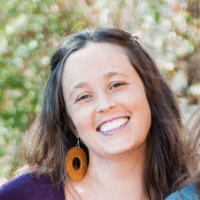 Cara Thurman, LMT, BCTMB, is a nationally certified massage therapist, NCBTMB-approved continuing education provider, and founder of Vinings Massage & Wellness in Atlanta. She specializes in oncology massage therapy and is a leader in developing and integrating evidence-informed massage programs within hospital systems. Since 2012, Cara has built and overseen patient-facing and employee-facing massage services in collaboration with major healthcare organizations, including Piedmont Healthcare and Children’s Healthcare of Atlanta, working directly with oncology and palliative care teams in infusion centers, inpatient units, and wellness settings. She has completed advanced oncology massage training with leading educators, including Tracy Walton, and through institutions such as MD Anderson Cancer Center, and is deeply committed to education and outreach for both medical professionals and massage therapists across the cancer care continuum.
Course Title:
Empowering Tomorrow: How Mindful, Intentional Practice and Meaningful Collaboration Have Shaped My Path as a Clinician, Educator, and Advocate
Course Description:
During this session, Cara Thurman shares a deeply personal and professional journey shaped by mindfulness, intention, and meaningful collaboration across clinical, educational, and healthcare systems. As a clinician, oncology massage educator, and leader of hospital-based massage therapy programs, Cara reflects on how intentional practice has guided not only her own path, but the development of systems designed to support sustainable, long-term careers for oncology-informed therapists from every walk of life.
Central to this talk is an acknowledgment of the often unseen and undervalued nature of our work. Massage therapy, esthetics —and many forms of caregiving—require deep presence, individualized knowledge, and thoughtful, ongoing engagement that is not always visible to partners, reinforcing systemic undervaluation and creating barriers to fully integrating these therapies into hospital-based care plans. Historically, much of this work has relied on volunteer labor. While volunteerism continues to have a place within ethical care delivery, my work focuses on educating healthcare systems about the complexity and value of this practice—advocating for sustainable compensation models that ensure practitioners earn a living wage while preserving access to low- and no-cost services for patients, caregivers, and survivors.”
This work carries emotional, physical, and ethical weight that practitioners carry with them, day after day. Cara explores how naming and valuing this labor is essential to shaping practices, educational models, and collaborations that truly support those who provide care.
Through examples drawn from oncology, palliative care and survivorship program settings, Cara highlights how mindful collaboration between therapists, educators, healthcare institutions, and community partners can create environments where clinicians are seen, supported, and respected. She examines how values-aligned continuing education, intentional networking, and interdisciplinary collaboration can move beyond transactional interactions to become vehicles for dignity, sustainability, and systemic change.
This session invites attendees to reflect on how acknowledging the full scope of what we carry—clinically, emotionally, and professionally—can empower more resilient practitioners and more humane systems of care. Grounded in lived experience and collective responsibility, this keynote offers inspiration and practical insight for those committed to empowering the future of integrative healthcare by honoring the depth, complexity, and humanity of the work we do—together.
Course Outcome:
Attendees will gain insight into how recognizing and valuing the often unseen, individualized labor of oncology-informed therapists—and supporting each other as integral parts of a larger care system—can inform collaborative strategies that create more sustainable, respectful, and humane healthcare systems for patients, caregivers, and clinicians alike.